
Essential Kitchen Cleaning Tips for a Healthier Home
No room works harder than the kitchen. It is where food is stored, prepared, and shared — which also makes it the room where grease, crumbs, and bacteria accumulate fastest. A cleaner kitchen is not just nicer to cook in; it is a direct investment in your family's health, since most foodborne germs spread from surfaces, not from the food itself. These kitchen cleaning tips come straight from the routines our crews use every day, finished with an honest note on when professional cleaning services are the smarter choice.
Know Your High-Risk Zones
Not every surface matters equally. Research on household germs consistently finds the kitchen dirtier than the bathroom, and the hotspots are rarely the ones people scrub most:
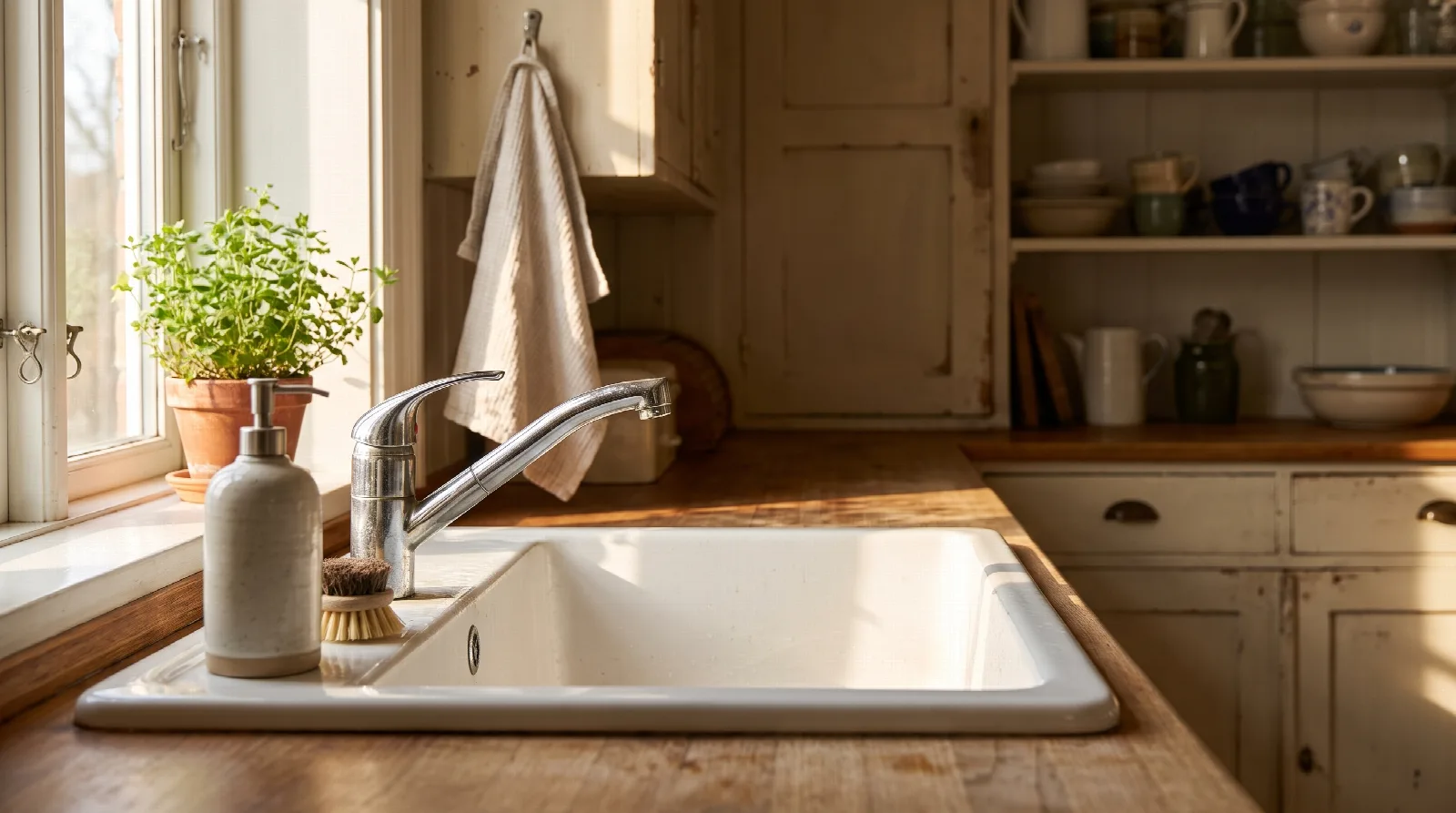
- The kitchen sponge and sink. A damp sponge is the single most bacteria-dense object in most homes. Replace sponges weekly and disinfect the sink and drain — raw food residue lands there daily.
- Cutting boards. Keep separate boards for raw meat and everything else, and wash them in the hottest water they can handle.
- Handles and switches. Fridge handles, cabinet pulls, and light switches are touched mid-cooking with unwashed hands more often than anyone admits.
- The cloth you wipe with. A dirty rag does not clean a counter — it redistributes yesterday's bacteria across it. Swap cloths every day or two.
The Daily Ten-Minute Routine
A kitchen stays clean through small daily habits, not weekend marathons:
- Wipe counters and the stovetop after every cooking session, while spills and grease are still warm and easy to lift.
- Wash or load dishes immediately — a full sink is what makes a kitchen feel dirty and gives pests a reason to visit.
- Rinse and dry the sink at the end of the day, then hang the cloth to dry fully.
- Sweep the floor around the stove and prep zone; crumbs there turn into sticky grime within a day.
- Take out food waste every evening, even if the bin is not full.
Weekly and Monthly Deeper Tasks
On top of the daily loop, schedule the jobs that stop long-term buildup: disinfect handles and switches, clean the microwave inside, wipe cabinet fronts near the stove where airborne grease settles, and clear out the fridge before the weekly shop, wiping shelves where raw food sat. Monthly, degrease the range hood filter — a saturated filter stops capturing cooking fumes and starts smelling — pull out what lives on your counters and clean beneath, and run a cleaning cycle or a bowl of water with lemon through the microwave and kettle to lift limescale.
Grease: The One Enemy Worth Understanding
Everything difficult about kitchen cleaning comes down to grease. Fresh cooking grease wipes off with warm soapy water in seconds. Left for a week, it bonds with dust into a sticky film; left for months, it polymerizes into a hard amber varnish that ordinary sprays cannot touch. That is why the timing of your wiping matters more than the strength of your cleaner. Warm surfaces release grease easily — a thirty-second wipe of the stovetop and backsplash right after cooking replaces twenty minutes of scrubbing later. For the film that still builds up on upper cabinets and the hood, a degreaser or a paste of baking soda and dish soap, left to sit for ten minutes, does the work chemically so you do not have to do it mechanically. Skip the temptation to scrape: metal tools scratch enamel and stainless steel, and the scratches then hold grease even more stubbornly.
Small Habits That Make a Kitchen Healthier
Beyond visible cleanliness, a few low-effort habits close the actual health gaps: wash hands between handling raw meat and touching anything else; let cutting boards dry standing up, not flat, so moisture cannot linger; store the bin with a lid and wash the bin itself monthly, not just the bags; and once a season check the corners of upper cabinets and the pantry for the first signs of pantry moths or ants — catching them early is a five-minute fix instead of a month-long fight.
When a Kitchen Deep Cleaning Makes Sense
Some kitchen jobs defeat household products: a year of polymerized grease on the hood and backsplash, an oven with baked-on carbon, grout that has gone grey, the void behind the fridge. A professional kitchen deep cleaning tackles exactly these — with degreasers, steam, and the patience the job actually needs. If you cook daily, doing this once or twice a year keeps the room genuinely hygienic rather than surface-tidy. For homes in Toronto and across the GTA, we recommend the team at Pure Maids for a proper deep cleaning, with a regular cleaning schedule afterwards so the kitchen never slides back. Then your only daily job is the pleasant one — cooking in a room that is truly clean, not just wiped. More moments, less mess.