7 Surprising Facts About Professional Home Cleaning
Most people picture professional cleaning as someone who wipes the counters, vacuums, and leaves. That is part of it. But a lot of what makes a good cleaning visit work happens in the planning, the order of work, and the choices about products and people. Here are seven things about professional home cleaning that tend to surprise people when they first book a cleaner in Toronto.
1. The Order of Work Matters More Than the Products
Good cleaners work in a set sequence: top to bottom, and dry to wet. Fans, high shelves and light fixtures come first, then counters and surfaces, then floors, with mopping last. Done in the wrong order, dust from above lands on surfaces you have already wiped, and you clean the same area twice. This one habit is a big reason a trained cleaner can finish a home faster than most people expect.
2. Eco-Friendly Products Do the Job for Routine Cleaning
Many people assume a strong smell means a strong clean. For regular upkeep, eco-friendly products work well and are safer around kids, pets and anyone with asthma. What matters more is dwell time: a cleaner needs to sit on a surface for a few minutes before it is wiped off. Spray-and-wipe in one motion mostly moves dirt around, whatever is in the bottle.
3. Kitchens and Bathrooms Take Most of the Time
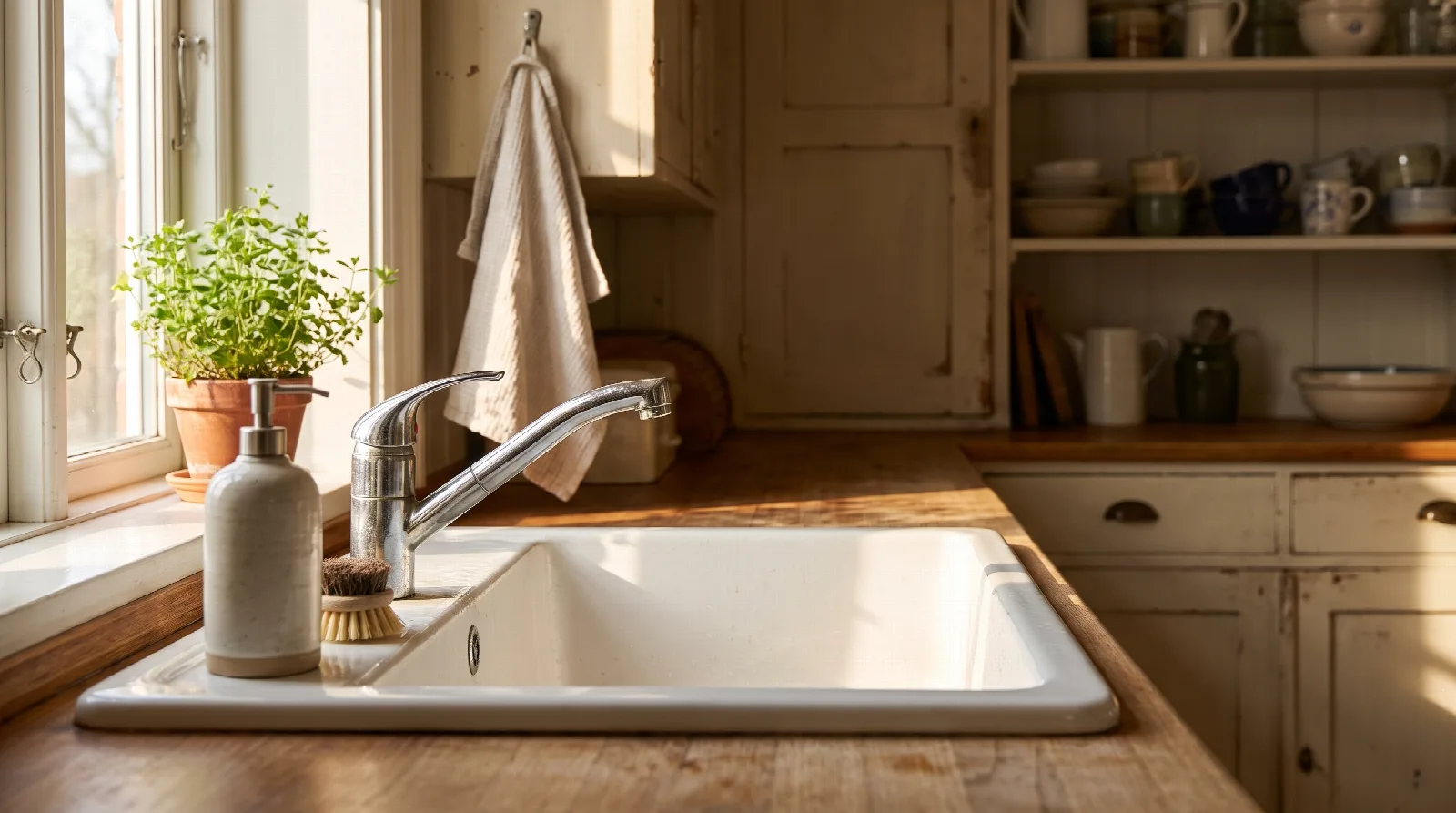
In a typical visit, the kitchen and bathrooms take far more time than the bedrooms and living areas. Grease on the stovetop and range hood, limescale on taps and shower glass, and soap scum on tile all need product, time and detail work. If you want a visit to feel like it made a difference, these are the rooms to prioritize on your checklist.
4. Having the Same Cleaner Each Time Changes the Result
A cleaner who has been in your home before knows which counter is marble, where the cat hides, and that the shower glass needs extra attention. That knowledge saves time and avoids mistakes. When you get a different person every visit, each one starts from zero. At PureMaids, recurring clients keep the same cleaner for that reason.
5. A Cleaner's Insurance Is There to Protect You
If a cleaner breaks something or gets hurt in your home, the question of who pays depends on the company's coverage. Before you book anyone, ask about liability insurance, bonding, background checks and WSIB coverage. In Ontario, WSIB covers workers injured on the job, and it matters when the job is in your home. We carry $2M in liability insurance, our cleaners are bonded and background-checked, and they are covered by WSIB.
6. You Do Not Need to Clean Before the Cleaner Comes
Many people tidy for an hour before a cleaner arrives. Some light prep does help: clear counters, pick up clothes and toys from the floor, and put away valuables and papers. Scrubbing the bathroom first does not. Tell your cleaner about the problem areas instead of hiding them, so they can plan the time and bring the right products.
7. Regular Cleaning Protects Your Home's Finishes
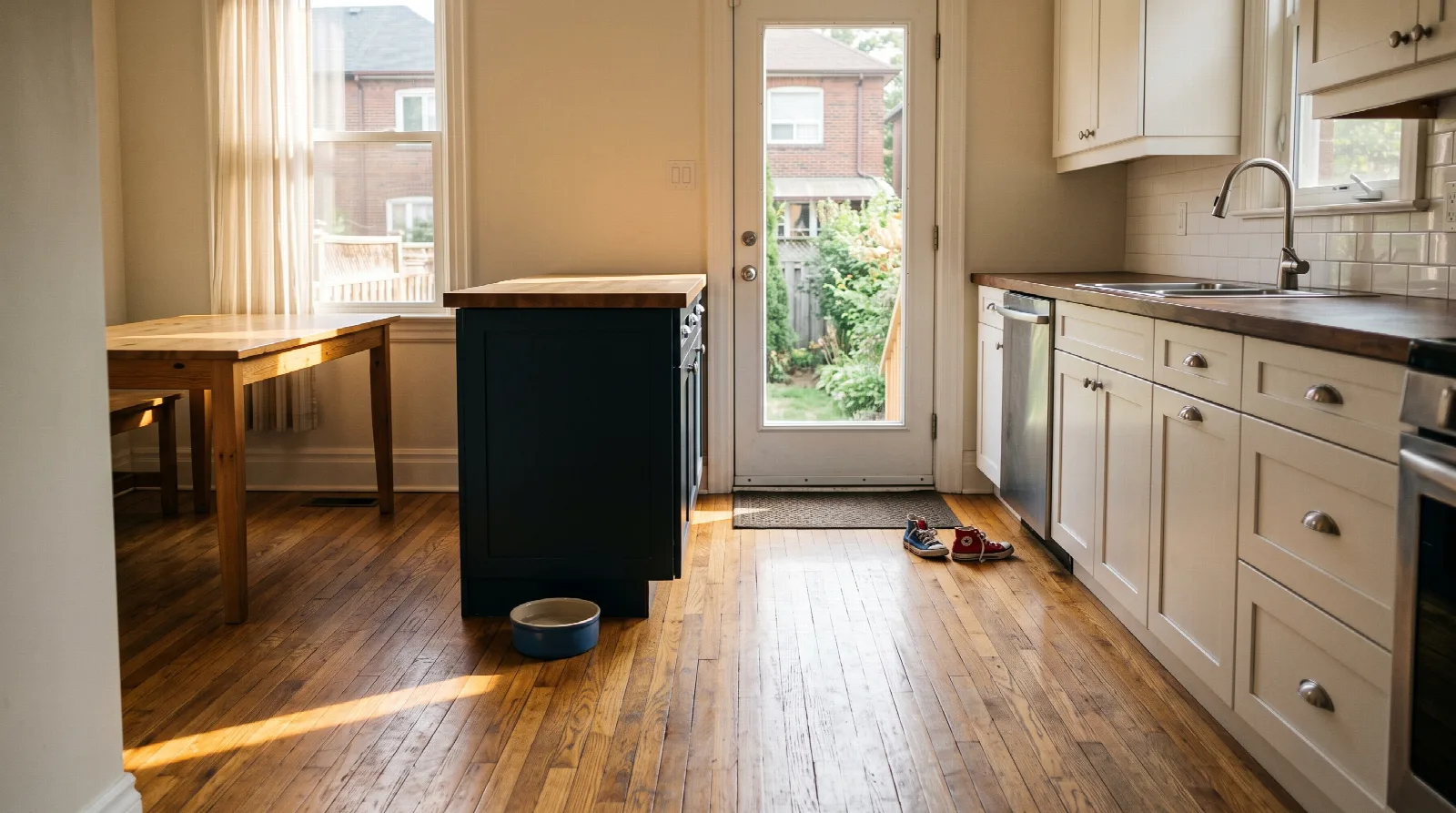
Grit tracked in on shoes acts like sandpaper on hardwood and the finish on tile. Limescale left on taps and glass gets harder to remove each week. Grease on cabinet doors slowly damages the paint. Keeping on top of these through regular visits protects surfaces that are expensive to replace. This matters in Toronto winters, when salt and slush come through the door every day.
Frequently Asked Questions
1. How often should I book professional cleaning?
Most households book every week or every two weeks. Homes with pets, young children or allergies usually do better with weekly visits. Smaller condos with one or two people often find every two weeks is enough.
2. Are the products safe for my kids and pets?
We use eco-friendly products that are safe around children and pets. If you prefer a specific product for a particular surface, the cleaner can use yours.
3. Do I need to be home during the cleaning?
No. Many clients leave a key in a lockbox or arrange access through the concierge. Some like to be there for the first visit to walk the cleaner through the home.
4. What is included in a regular clean?
Dusting, vacuuming and mopping floors, cleaning kitchens and bathrooms, wiping surfaces and fixtures, and emptying bins. Extras such as the inside of the oven or fridge can be added to your checklist.
5. What is the difference between a regular clean and a deep clean?
A regular clean keeps the home in good shape week to week. A deep clean goes further: baseboards, grout, behind and under furniture, inside appliances, and built-up grease and limescale. Many people start with a deep clean and then switch to regular visits.