Allergy Season Cleaning Guide for a Healthier Home
If you have hay fever, you know the routine: itchy eyes before breakfast, a scratchy throat that will not settle, and a dull headache that follows you through the day. What surprises many people is how much of it comes from inside the house. Summer in the GTA means open windows and patio doors, and pollen counts stay high from tree season in spring right through ragweed season in late August. All of it drifts in and settles. This allergy season cleaning guide for a healthier home covers where allergens collect, the cleaning routine that actually reduces them, and the mistakes that make things worse.
The good news is that your home is one trigger you can control. You cannot switch off the trees in High Park, but you can stop the inside of your home from turning into a pollen trap.
How Allergens Get Into Your Home
Pollen comes in on you. It sticks to hair, clothes, the dog's coat and the soles of your shoes, and it rides in through every open window. Heat and humidity add to the problem. Toronto summers are humid, and dust mites breed fast in warm, damp air. Their waste is one of the most common indoor allergy triggers. Add pet dander, a bit of mould in the basement, and the dust that has been sitting on the ceiling fan since March, and the living room carries a steady low level of allergens all season.
Where Pollen and Dust Collect
Allergens do not spread out evenly. They gather in a few places, and those are the ones to clean first:
- Upholstered furniture and bedding, where pollen and dust mites work deep into the fibres.
- Carpets and area rugs, which hold onto anything that drifts down.
- Window sills and tracks, the first landing spot for whatever blows in.
- Air vents and AC filters, which push allergens around the house once they clog.
- Entryways, where shoes and bags drop whatever they picked up outside.
The bedroom deserves extra attention. You spend about a third of your life with your face in a pillow, so if the bedding is full of dust and pollen, you breathe it in for eight hours a night. That is why so many people wake up stuffed up and feel better an hour after getting out of bed.
A Step-by-Step Allergy Season Cleaning Routine
You do not have to do everything in one day. If you want a routine that really cuts down the sneezing, this order works:
- Wash bedding in hot water once a week. Heat kills dust mites, while a cold cycle mostly moves them around.
- Vacuum carpets and upholstery with a HEPA-filter vacuum, twice a week if you can.
- Wipe hard surfaces with a damp microfibre cloth, not a dry duster. Dry dusting throws allergens back into the air.
- Clean window tracks and sills, then keep windows shut on high-pollen days and run the AC instead.
- Change or clean the AC and furnace filters. People skip this all the time, and it matters as much as anything on this list.
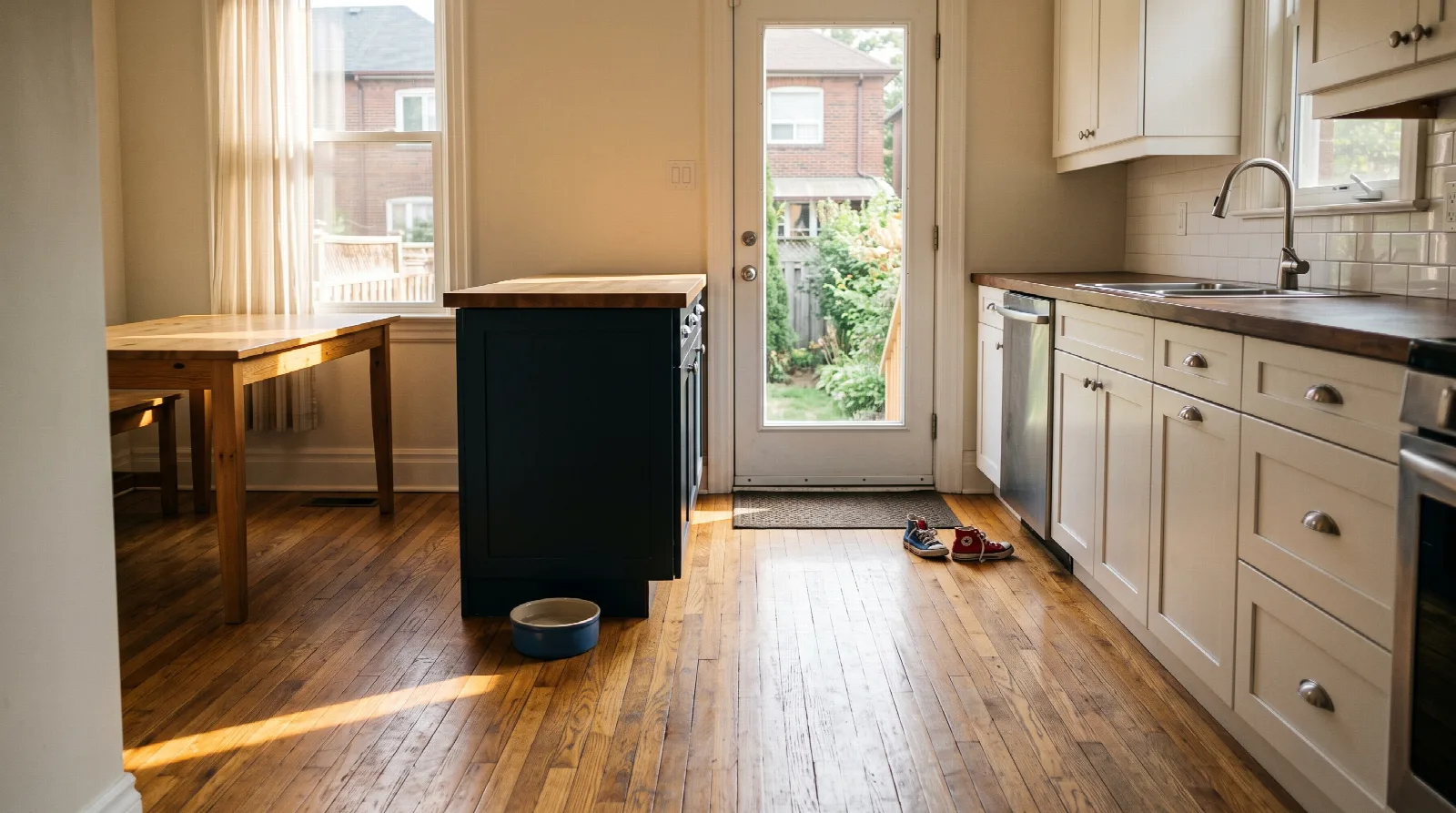
- Leave shoes at the door. It costs nothing and keeps a surprising amount of pollen off the floors.
A few habits help between cleans. Shower and change clothes after time outdoors on high-pollen days, so you do not carry pollen onto the couch or into bed. Dry laundry inside or in the dryer during peak season, since sheets on a line collect pollen. Wipe pets down with a damp cloth when they come in. In the basement, keep humidity below about 50 percent with a dehumidifier to slow both mould and dust mites.
Cleaning will not cure hay fever. But people who keep a steady home cleaning routine through allergy season usually notice a difference within a week or two. They sleep better, and the afternoon headaches ease off.
Why a Quick Clean Can Make Allergies Worse
A fast pass with a feather duster or a weak vacuum often moves allergens around instead of removing them. Dust gets lifted into the air, hangs there for a while, and lands again on the same surfaces, usually after you have breathed some of it in. The other problem is depth. Dust mites and dander sit deep in mattresses, sofa cushions and carpet pile, where a quick pass does not reach.
Use a vacuum with a sealed system and a HEPA filter, so what it picks up does not blow back out through the exhaust. Go slowly on carpets and upholstery, because several slow passes in different directions pull out more than one fast one. Vacuum mattresses and pillows when you change the bedding, and use hot water or steam on washable fabrics where the care label allows it. If you are the one with allergies, wear a simple mask while you dust and vacuum, or leave the room for a while afterwards so the air can settle.
When It Is Worth Calling In Help
Some weeks the deep cleaning is more than a busy person can keep up with, especially when you already feel your worst. Handing part of it off is reasonable. A good cleaning crew gets into the places that quietly hold allergens, such as baseboards, behind furniture and the parts of the carpet a quick vacuum never reaches. PureMaids does this kind of allergy deep cleaning across Toronto and the GTA, with HEPA vacuums and eco-friendly products.
It may be time for help if your symptoms flare at home and settle when you leave for a while, if the cleaning is piling up faster than you can keep pace, or if nobody at home has the time or the energy for a full clean right now. If summer flattens you every year no matter what you try, get the house properly reset once, keep up the weekly basics, and give yourself room to breathe.