Essential Hard Floor Cleaning Tips for Longevity
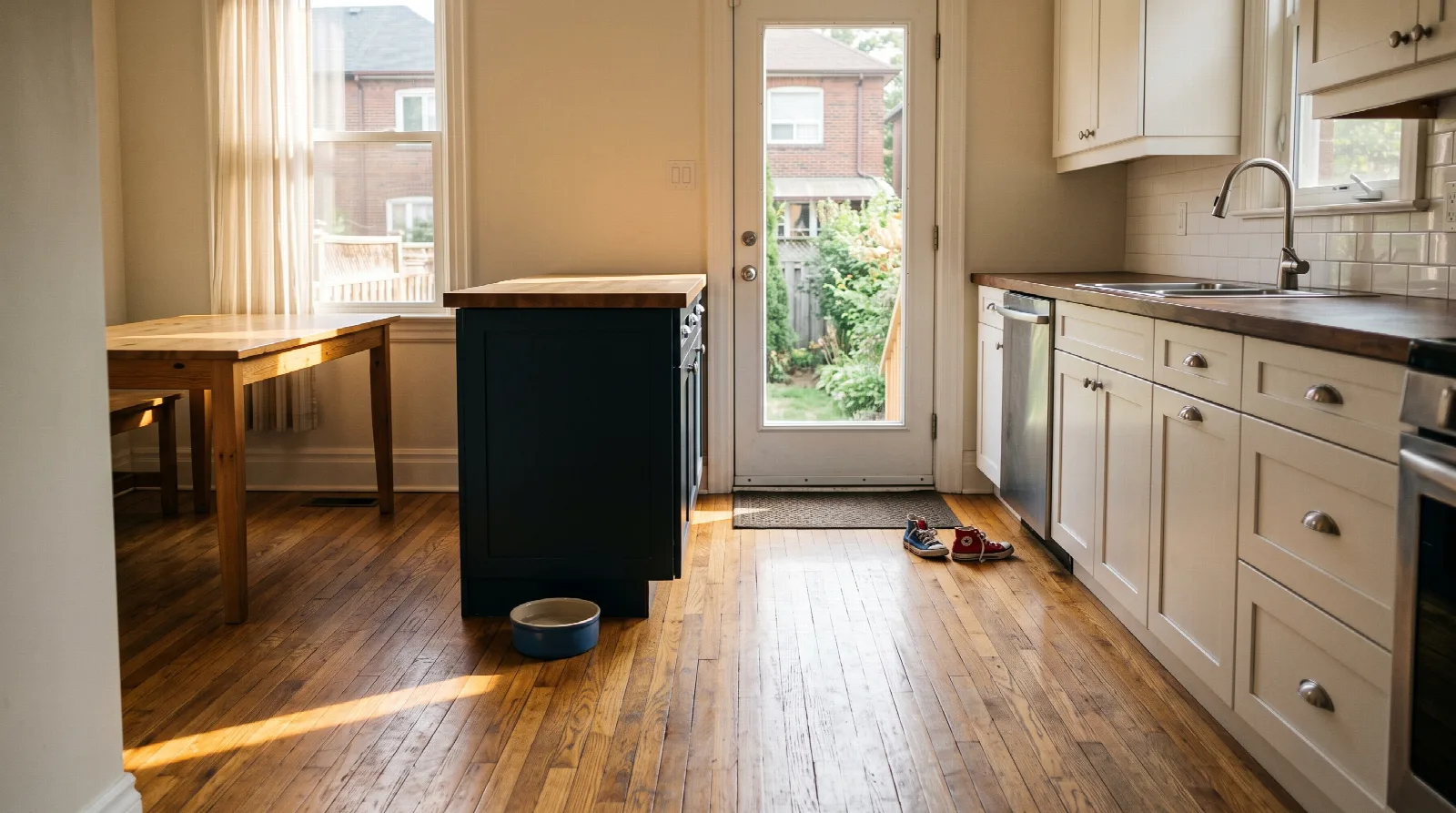
A common mistake is to buy one bottle of shiny all-purpose floor cleaner and use it on everything: kitchen tile, bathroom vinyl and the laminate in the hall. A few months later the laminate looks cloudy and tired. Floors are picky. A product that keeps one surface looking good can slowly damage another. These hard floor cleaning tips explain how each common floor type behaves, how to clean it safely, the mistakes that ruin floors, and when to get help.
Why One Cleaner Does Not Fit Every Hard Floor
"Hard floor" covers materials that behave very differently. Tile does not mind water. Hardwood does. Vinyl needs gentle products. Natural stone reacts badly to anything acidic. So before you mop, ask what you are standing on. Here are the floor types found in most Toronto homes and condos:
- Ceramic and porcelain tile. Tough and water-friendly. The grout is the weak spot, not the tile.
- Vinyl and luxury vinyl plank. Handles moisture well, which is why many condos use it. It still scratches and does not like harsh solvents.
- Laminate. Looks like wood but is not. Standing water seeps into the seams and swells the core board. Use a damp mop only.
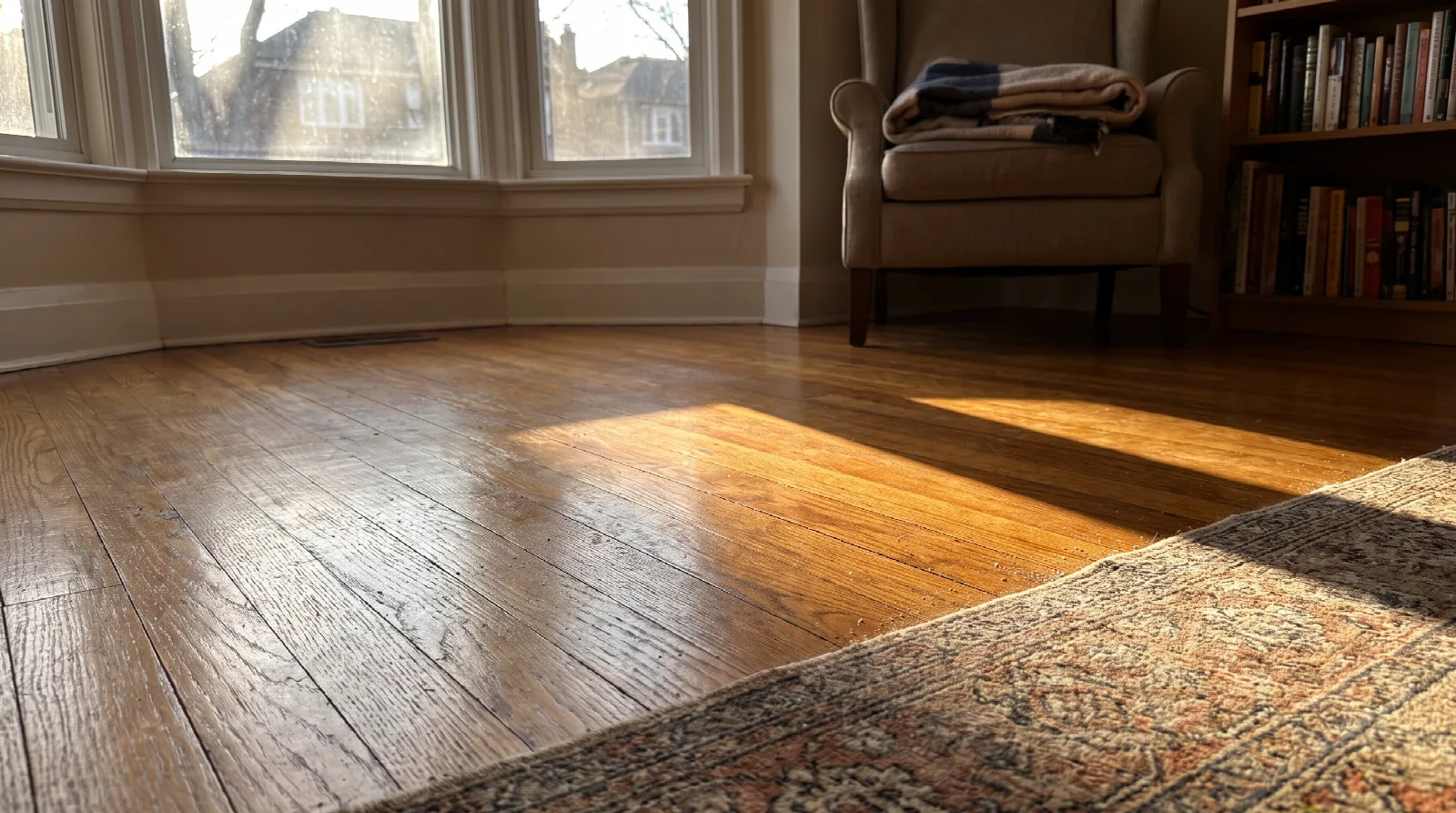
- Hardwood and engineered wood. Sensitive to excess water and anything abrasive.
- Natural stone such as marble or slate. Porous and easily etched by acids, including vinegar and lemon.
You do not need to memorize this. Just check which one is under your feet before you pick up a bottle.
How to Clean Each Floor Without Damaging It
The same gentle routine works on all of them. First sweep or vacuum to remove grit. Then mop with a barely damp mop and a cleaner made for that surface. Grit is the real enemy. It acts like sandpaper under shoes, and every step grinds it into the finish.
Tile and vinyl
Use a mild pH-neutral cleaner and a well-wrung mop. Avoid products that promise "shine". They leave a film that dulls the floor over time and shows footprints. On tile, scrub the grout separately every month or two with a soft brush, because grout holds on to dirt.
Hardwood, engineered wood and laminate
Never flood a wood or laminate floor. Use a spray mop or a slightly damp microfibre pad and wipe along the grain. Puddles cause warping, lifted seams and grey water stains that do not come out.
Natural stone
Stone needs the softest approach. Use a neutral cleaner made for stone, with no vinegar and no bleach. Acidic products etch the surface and leave dull spots you can feel with your fingertips. Most stone floors also need resealing every year or two.
Mistakes That Slowly Ruin Floors
None of these feel serious when you do them. The damage shows up weeks later, when it is too late to undo.
- Too much water. The most common cause of floor damage, especially on wood and laminate. A wetter mop does not clean better.
- Vinegar on stone. It works well on some surfaces, but on marble it eats into the finish.
- Steam mops on the wrong floor. Fine on sealed tile, harmful on hardwood and laminate, where heat and moisture get into the seams.
- Dragging furniture without pads. One slow scrape can leave a permanent scratch.
- Mopping without sweeping first. You just push grit around in dirty water.
Keeping Hard Floors Clean Between Deep Cleans
Daily upkeep is not exciting, but it is what keeps a floor looking good for years. Put mats at each door, inside and out, so grit is caught before it travels. Ask people to take their shoes off, because winter road salt in Toronto leaves a white film and wears down finishes fast. Wipe spills quickly, especially on wood and stone. Sweep or vacuum on the hard-floor setting more often than you think you need to. It is the cheapest protection a floor can get.
Once a season, do a more thorough clean. Scrub the grout, wipe the baseboards and get into the corners that a quick mop misses. In winter, mop salt residue away with warm water as soon as you see it, before it dries and gets ground in.
When to Bring in Professionals
There comes a point where a mop is not enough. Grout that stays grey no matter how hard you scrub, a stone floor that needs resealing, or a whole house of hardwood before you list it for sale. Doing that work wrong is worse than not doing it at all.
A good cleaning crew knows which product goes on which surface, and that is the knowledge most people are missing. If you are in Toronto or the GTA and want a cleaning company Toronto homeowners rely on, Pure Maids cleans hard floors as part of a regular visit or a deep cleaning service, so nobody is guessing with an unlabelled bottle from under the sink.
Your floors take a beating every day. Match the cleaner to the surface, keep grit and water under control, and they will last far longer than the furniture sitting on them.